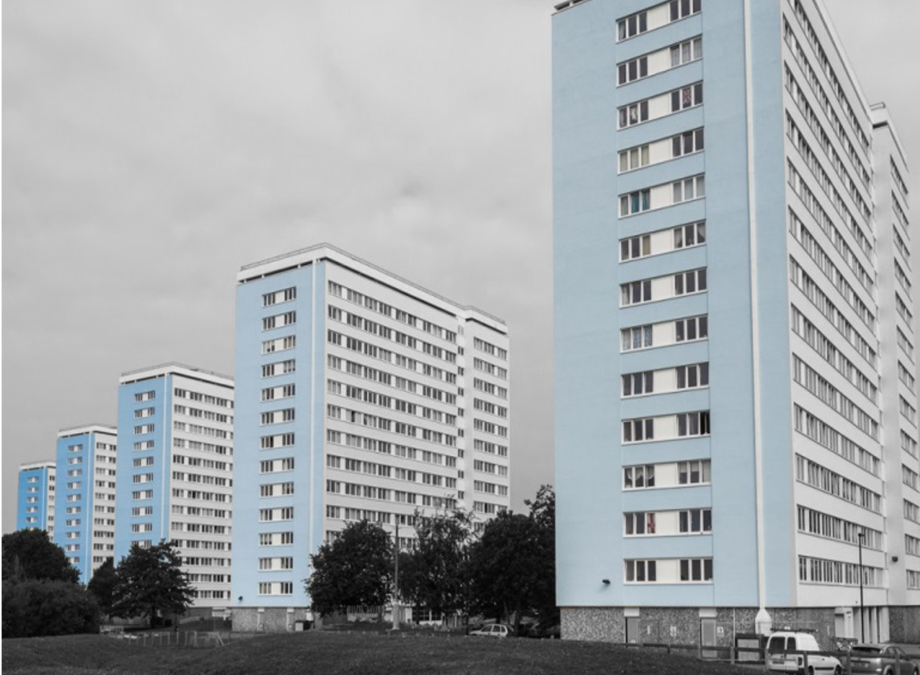
Heat networks provide a high efficiency, low cost option for energy supply based on combined heat and power concepts. Analysis of heat networks performance and deployment of smart heating technologies are mainly applied in heat networks in social housing settings within the cities of Southampton and Portsmouth.
The Energy and Climate Change Division (ECCD) and the Sustainable Energy Research Group (SERG) within the School of Engineering at the University of Southampton, UK, hosted the IEA Energy in Buildings and Communities symposium and expert meeting

REPLENISH contends that if our infrastructure systems and their associated cityscapes were designed with positive health and wellbeing outcomes as the primary design criterion, huge social and economic benefits would result. REPLENISH therefore proposes, by adopting systems thinking and systems engineering (or ‘doing’), to rethink and redesign our engineered infrastructure systems and cityscapes.
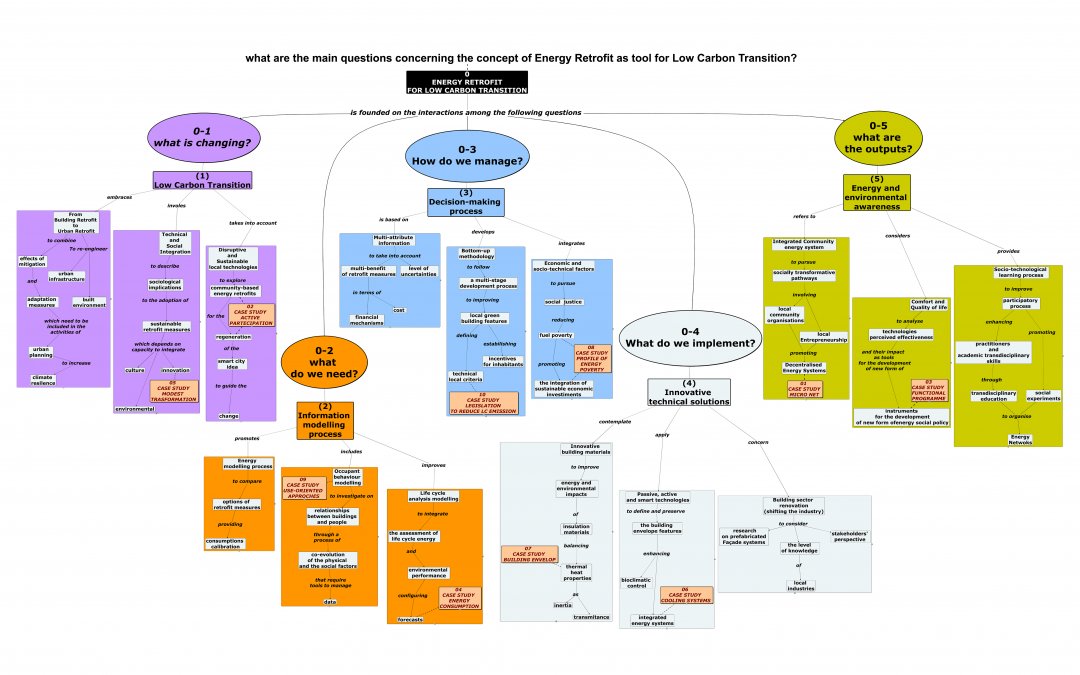
The project “Developing a Tool Kit for Knowledge Integration: Envisioning Buildings-as-Energy-Service” is aimed at creating an inter-disciplinary research environment to stimulate the innovation processes related to the concept of “Buildings-as-Energy-Service”.

Professor AbuBakr Bahaj, head of the Energy and Climate Change Division contributed towards the 13th International Tidal Energy Summit, which took place on the 11th November 2019 in London, UK.
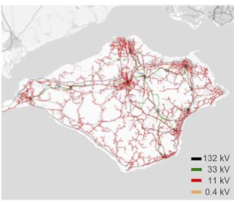
In the UK, the Isle of Wight (IoW) wish to become self-sufficient in electricity from renewable sources, which is likely to be achieved through the deployment of utility-scale solar PV farms augmented with rooftop solar PV systems.