
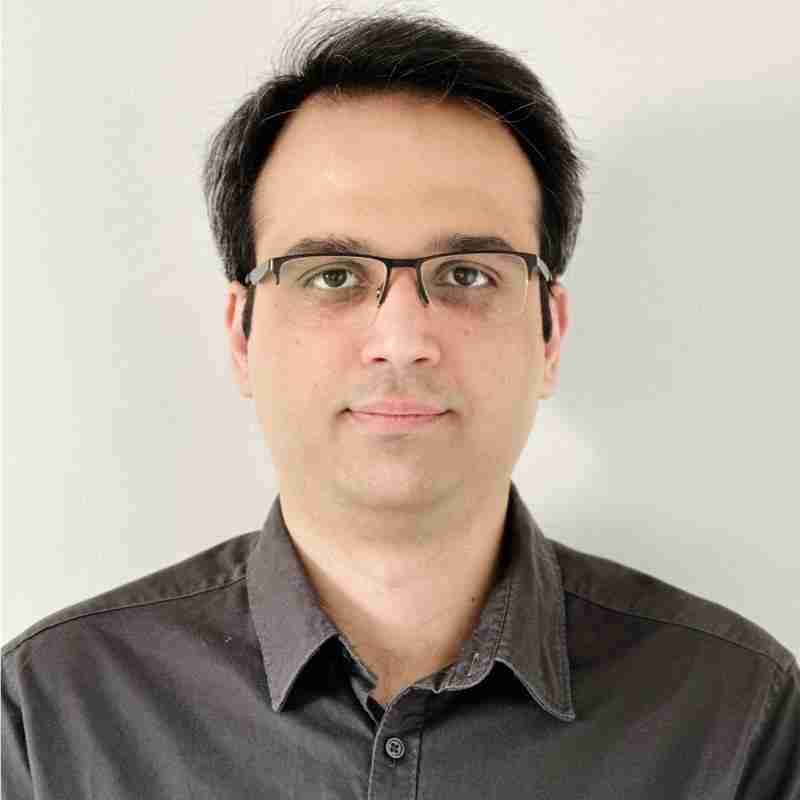
Dr Masoud Sajjadian has a background in Architectural Engineering and is a graduate of Nottingham and Liverpool universities. He is a Lecturer in Energy in Built Environment, a Senior Fellow of Advance HE, and a Chartered Engineer. Since 2016, he has taught extensively in architectural education. He has led a wide range of design studios and delivered technology-focused modules and lectures across key areas of architectural education including low-rise, multi-storey and high-rise building design, building physics, performance-driven design and the anatomy of healthy buildings, low-carbon design, intelligent design and climate change literacy. He has also led and authored MSc programmes in Architectural Technology & Sustainable Building Performance, and Advanced Building Simulation. Prior to his first full-time lectureship position, he worked in the industry as a Knowledge Transfer Partnership Associate for Morganstone Construction Company, focusing on social housing, and as a Research Associate at Cardiff University in collaboration with TATA Steel, focusing on Transpired Solar Air Collectors.
His research has evolved from investigating the use of simulation tools to predict building performance in a changing climate to exploring their development with the integration of Solar Air Collectors to combining them with Artificial Intelligence methods to influence users’ comfort uncertainty in the analysis. Key research themes include:
- Climate Sensitive Architecture
- Building Performance Simulation
- Building Technology
- Design for Health and Well-being
- Carbon-optimised Refurbishment
He has completed over €400K funded projects since 2017. The qualitative impact of his research works is mostly on the development of data-driven approaches in the decarbonisation of built environment and mitigation of climate change impact through simulations and the creation of data-driven comfort models.
Examples of his research impact are visible in one of the IPCC reports (The Intergovernmental Panel on Climate Change, the United Nations body for assessing the science related to climate change) and the UK Parliament Research Briefing. His research on using Phase Change Materials with an air gap was included in the IPCC examples of adaption, and interventions at building shell in their supplementary report for Key Risks Across Sectors and Regions for Europe (13SM). Another research work from him on developing thermal comfort models by using AI was included in the UK Parliament Research Briefing on Sustainable Cooling (Briefings are impartial analyses produced by the UK Parliament on a variety of topics that affect the UK like the economy, health, and security).
Boldrewood Innovation Campus
University of Southampton
Highfield
Southampton
SO16 7QF